One of the most frequent culprits is ingrown hairs. These occur when a hair grows back into the skin instead of outward, creating small, red bumps that can be itchy or painful. Ingrown hairs often result from shaving, waxing, or wearing tight clothing that rubs against the skin. The affected area may swell or develop pus if the bump becomes infected. The best approach is to avoid shaving or waxing until the irritation heals. Applying warm compresses can help soothe the skin and encourage the trapped hair to surface. Gentle exfoliation with a mild scrub or soft cloth can also help prevent future occurrences by removing dead skin cells that block hair follicles.
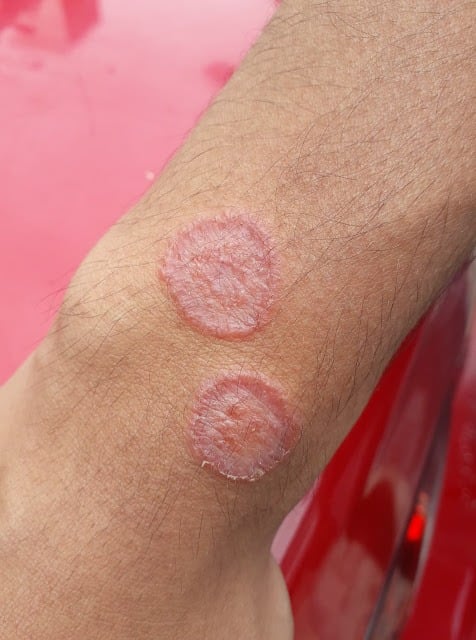
Tinea cruris, also known as jock itch, is another frequent source of groin irritation. This fungal infection thrives in warm, moist environments, which makes the groin area an ideal location. It tends to affect men more than women and is easily spread through shared towels or clothing. The symptoms include red, scaly patches, itching, and a burning sensation. Keeping the groin dry and clean is the most important preventive step. Wearing loose, breathable underwear and using antifungal powders or creams can help treat the infection. Avoiding tight-fitting sportswear for long periods also reduces the risk of recurrence.
Intertrigo is another condition that affects the folds of the skin, including the groin. It develops when moisture and friction combine to irritate the skin, often creating a red, raw, and sometimes oozing rash. Because of limited airflow, this area can become a breeding ground for bacteria or yeast. Managing intertrigo involves keeping the area clean and dry, using absorbent powders or barrier creams, and wearing breathable cotton underwear. If a secondary infection develops, medical treatment with antifungal or antibacterial medication may be necessary.
Overall, maintaining good hygiene and taking preventive measures can greatly reduce the risk of groin irritation. Showering regularly, especially after exercise, drying the area thoroughly, and wearing light, breathable clothing help protect the skin. Those who shave should use clean, sharp razors and consider trimming instead of shaving closely. If irritation persists, spreads, or is accompanied by fever or severe discomfort, seeking medical advice is important to rule out more serious infections or underlying conditions. Proper care and attention can usually resolve the problem and keep the skin healthy and comfortable.